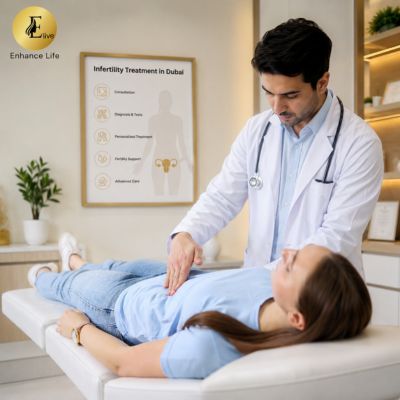
Are you coping with the hernia? Don’t cope anymore, get the Hernia Repair Surgery in Dubai & Abu Dhabi from us. We are here to address your signs of pain and discomfort. Explore the different procedures for the hernia. Embark on a journey to alleviate the pain and discomfort with us. At Elive Clinic Dubai, we offer hernia surgery performed by DHA-licensed, board-certified surgeons. We use the latest minimally invasive techniques. We focus on your comfort, your safety, and your recovery.We are here to restore your wall’s strength. Say goodbye to discomfort and hello to a safe solution.
Read below to get a comprehensive guide!
Quick Facts:
- Cost: 7999 AED and 35,000 AED
- Target: hernia
- Results: long-lasting
- Gender: both male and female; males are more likely to develop a hernia than females
- Exercise: do not perform strenuous exercise
- Full recovery: after one month
- Downtime: 5 days
- Back to Work: after 15 days
- Duration of Treatment: one to two hours
- Type of Procedure: surgical process
What is a hernia?
An external bulge-like structure present in the abdominal area is known as a Hernia. In this condition, the internal organ swells through the muscle wall. When the patient coughs or bends over, the bulge may cause discomfort and pain. Most of the time, the hernia is present between the hips and the chest area within the cavity of the abdomen.
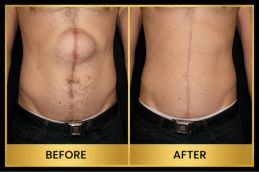
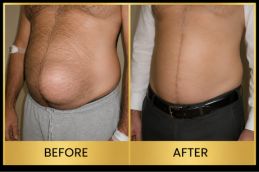
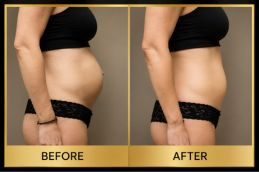
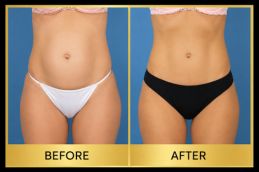
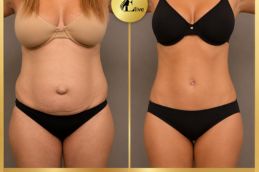
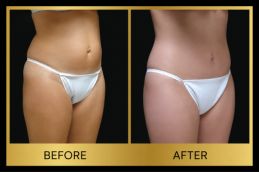
Hernia Repair Surgery Results:
After surgery, the bulge and pain are gone immediately. You will feel sore for the first week, but this gets better quickly. Most people return to light activities within 2 weeks and full normal life within 4 to 6 weeks. The repair is permanent, and with mesh, the chances of the hernia coming back are very low.
Symptoms:
The symptoms of this disease include:
- Fever
- Vomiting
- Absence of the gases
- Nausea
- Severe pain
Causes:
The causes of the hernia include:
- Due to pressure in the abdomen
- The weak spot in the wall
- Pressure while urination or bowel
- Heavy activities
- Due to pregnancy
- Sneezing
- Coughing
- Age
- Genetic history
Common locations for hernia:
People may get a hernia in the:
- Lower chest under the diaphragm
- In the lower abdominal wall or the groin area
- In the front midline or belly button
- Incision area
Benefits:
The benefits include:
- Alleviates the pain
- Reduces the risks of development of other complications
- Offers long-term results
- Improves the overall well-being of a person
- Recovers quickly
Types of Hernias:
The most common types are as follows:
- Inguinal hernia: This type occurs in the lower abdomen when the intestines are pushed towards the weak spots of the muscle
- Umbilical: This type normally occurs in children; it occurs when the intestine swells and protrudes through the abdominal wall around the belly. This condition can go away on its own when the abdominal wall becomes stronger
- Ventral: this type is most likely to occur when the opening of the muscle becomes swollen
- Hiatal: the type of hernia that affects the stomach and the diaphragm, the swelling behind the chest cavity is known as hiatal. People who are older than 50 years are affected by this.
Types of Hernia Surgery:
There are two main types of hernia surgery.
Open Hernia Surgery:
The surgeon makes a single incision over the hernia. They push the protruding tissue back into place. They repair the weak muscle wall with stitches and often place a mesh to reinforce the area.
Laparoscopic Hernia Surgery:
This is a minimally invasive technique. The surgeon makes a few small incisions. A tiny camera and instruments are inserted through these incisions. The surgeon repairs the hernia from the inside. Recovery is faster, and scarring is minimal.
Hernia Surgery Techniques
Tension-Free Repair (Mesh Repair):
This is the most common technique. A special mesh is placed over the weak spot. The mesh acts as a reinforcement. It strengthens the area and reduces the risk of the hernia coming back.
Tissue Repair (Suture Repair):
The surgeon stitches the muscle and tissue together to close the gap. This does not use mesh. It is less common today because the recurrence rate is higher.
Laparoscopic TAPP (Transabdominal Preperitoneal) Repair:
This is a type of laparoscopic repair. The mesh is placed inside the abdomen, in front of the hernia.
Laparoscopic TEP (Totally Extraperitoneal) Repair:
This is another type of laparoscopic repair. The mesh is placed outside the abdomen, behind the muscle wall.
Diagnosis of hernia:
During an initial meeting, the doctor will perform the following steps:
- Ask about the medical history
- Assess the condition
- Inquire about the pain in the area
- Performs the blood test for infection diagnosis
- Performs other tests like MRI, CT, and ultrasound
Who can get this?
- The people who can get this surgery are:
- Anyone who notices lumps in their abdomen
- Poele who is suffering from the pain
- Anyone whose life is affected due to the hernia
- People who have a realistic expectation
Pre care instructions:
Before performing the surgery, the doctor may ask you to:
- Undergo the tests such as MRI, an ultrasound, and CT scan
- Refrain from smoking
- Avoid performing strenuous activities
- Avoid taking anti-inflammatory medicine
- Do not eat on the day of the surgery
How is the procedure of Laparoscopic surgery carried out?
The surgery can be carried out in the given steps:
- Anesthesia: The doctor initiates the surgery by administering the anaesthesia, which alleviates the pain for some time
- Incisions: The surgeon makes an incision on the left side of the abdomen. Through the incision, the doctor inserts the camera to see inside the abdomen.
- Insertion of CO2: The doctor inserts CO2 through another incision to see clearly. The gas was evacuated at the end of the surgery.
- Process: The doctor dilates the abdominal cavity and adjusts the hernia by pushing it inside
Post-surgery tips:
After the surgery is done, the doctor will ask you to follow the tips below for a good recovery:
- Take the pain-relieving medicines provided by the doctor
- Avoid drinking fizzy drinks or beers
- Follow the diet plan that your doctor gives
- Do not perform heavy exercise for some months
- Change your dressing daily
- Avoid the intake of caffeine in your diet
- Remove your dressing after 5 to 6 days
- Avoid intake of other medicines, such as blood thinners
Recovery time:
The patient may recover in a few days. During the first 5 days, he may feel swelling in the abdomen. To reduce the recovery time, the patient should avoid heavy exercises and lifting objects in the first month after the surgery.
Cost of Hernia surgery:
The cost of the hernia varies between 15000 AED and 35,000 AED
This cost is not final, the final cost will be evaluated after checking the condition of a patient. Some factors may affect the estimated cost, such as the type of surgery selected, charges of anesthesia, the expertise of the surgeon, and the location of the clinic.
| Type of Hernia | Price Range (AED) |
| Inguinal Hernia Repair | 7999 – 14,999 |
| Umbilical Hernia Repair | 6999-11,999 |
| Hiatal Hernia Repair | 11,999-19,999 |
| Incisional Hernia Repair | 9,999-17,999 |
| Femoral Hernia Repair | 7999-13,999 |
| Ventral Hernia Repair | 9,999-17,999 |
| Laparoscopic Hernia Repair | 9,999-17,999 |
| Open Hernia Repair | 7999 – 14,999 |
Hernia Surgery Scarring:
Where are the scars?
For open surgery, there is one scar over the hernia site. For laparoscopic surgery, there are three to four small scars. They are tiny and fade over time.
How visible are they?
Scars are red and raised at first. They fade to pale and flat over 6 to 12 months. They are very hard to see after healing.
How to minimise scarring:
- Keep the incisions clean and dry.
- Do not expose scars to the sun for 1 year.
- Use silicone gel or scar creams as recommended.
- Follow your surgeon’s aftercare instructions
Hernia Surgery vs Other Procedures:
Hernia Surgery vs. Watchful Waiting:
If your hernia is small and painless, your doctor may recommend waiting. But surgery is the only permanent fix. If the hernia grows or causes pain, surgery is recommended.
Open vs. Laparoscopic:
Open surgery has one large incision. Laparoscopic surgery has smaller incisions and a faster recovery. Your surgeon will recommend the best option for you.
Hernia Surgery Risks and Side Effects:
Hernia surgery is very safe when done by an expert. But every surgery has some risks.
- Swelling
- Bruising
- Mild pain
Why Choose Elive Clinic Dubai?
- DHA-Licensed Surgeons: Our team is certified and experienced.
- Board-Certified Specialists: We have experts in general and laparoscopic surgery.
- Minimally Invasive Techniques: We use the latest methods for faster recovery.
- Personalized Care: Every treatment is tailored to you.
- Transparent Pricing: No hidden fees.
- Safe Environment: We follow strict hygiene and safety protocols.
- High Patient Satisfaction: Our patients trust us and recommend us.
- 24/7 Support: We are here for you before, during, and after treatment.
FAQ’s of Hernia Surgery:
What Causes a Hernia?
Heavy lifting, chronic coughing, constipation, obesity, pregnancy, and weak muscles can all cause hernias.
How Do I Know If I Have a Hernia?
You may notice a bulge, pain, or discomfort in your abdomen or groin. See a doctor for a diagnosis.
Is Hernia Surgery Necessary?
Not always. If the hernia is small and painless, your doctor may recommend waiting. But if it causes pain or is at risk of strangulation, surgery is recommended.
What Is the Difference Between Open and Laparoscopic Surgery?
Open surgery uses one larger incision. Laparoscopic surgery uses several small incisions. Laparoscopic has a faster recovery and less scarring.
Does Hernia Surgery Hurt?
You are under anaesthesia during surgery. Afterward, you may feel soreness for about a week. Pain medication helps.
How Long Does Recovery Take?
You can return to desk work in 1 to 2 weeks. Full recovery takes 4 to 6 weeks. You can return to heavy lifting after 6 weeks.
How Long Do Results Last?
The repair is permanent. With mesh, the recurrence rate is very low.
Will I Have Visible Scars?
Open surgery leaves one scar. Laparoscopic leaves a few small scars. They fade over time and become very hard to see.
Can I Combine Hernia Surgery with Other Procedures?
Yes. Some people combine it with tummy tuck, liposuction, or other surgeries. Your doctor will discuss this with you.
When Can I Exercise Again?
Light walking after 1 week. Avoid heavy exercise for 4 to 6 weeks.
When Can I Drive Again?
Wait 1 to 2 weeks. Do not drive while on pain medication.
Is the Surgery Safe?
Yes. When performed by a qualified, DHA-licensed surgeon, it is very safe.
How Much Does Hernia Surgery Cost in Dubai?
The cost ranges from 7,000 AED to 25,000 AED. It depends on the type of hernia and the technique used.
Will My Insurance Cover This?
Most insurance plans cover hernia surgery because it is a medical necessity. Check with your provider.
How Do I Choose the Right Surgeon?
Look for a board-certified, DHA-licensed surgeon with experience in hernia repair. Read reviews. Ask about their training.
Book us now!
Book an appointment now at Elive Clinic Dubai to get Hernia Surgery in Dubai. Our experts are experienced, and they perform more than 50 surgeries daily. Fill out the form or call us on the number for more information.