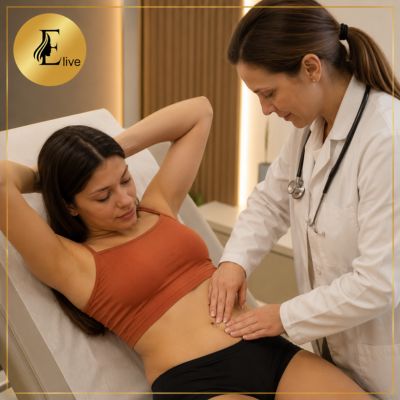
Posterior repair surgery is a specialized surgical procedure aimed at the treatment of posterior vaginal wall prolapse, which is when the tissue between the vagina and the rectum weakens or stretches. This causes the rectum to protrude into the wall of the vagina and forms a condition that is called rectocele. This can cause symptoms like pressure in the vagina, trouble pooping, pain when moving around, and a prominent bulge in the vagina. If you are planning to get the best Posterior Repair Surgery in Dubai & Abu Dhabi then visit our clinic.
Our treatment plan at Elive Clinic is tailored to each woman’s needs if she has a pelvic floor concern. We know that a condition of intimate health can impact physical comfort, self-confidence, relationship and quality of life. We emphasize a precise diagnosis, patient-specific surgical planning, patient safety, and recovery support.
Quick Facts:
- Treatment Name: Posterior Repair Surgery
- Medical Name: Posterior Colporrhaphy
- Main Purpose: Treats posterior vaginal wall prolapse and rectocele
- Treatment Area: Posterior vaginal wall
- Anesthesia: General or regional anesthesia
- Procedure Time: Varies depending on the complexity of the repair
- Treatment Type: Surgical procedure
- Hospital Stay: May vary depending on individual recovery
- Recovery Time: Usually requires several weeks for complete healing
What is Posterior Repair Surgery?
A surgical procedure to correct weakness or damage to the back wall of the vagina is called posterior repair surgery. There is tissue behind the vagina between the vagina and the rectum, which is called the posterior vaginal wall. As the supporting tissue weakens, the rectum may bulge into the vagina creating a rectocele.
It can occur for a number of reasons, such as a vaginal delivery, old age, constipation, frequent straining while passing stool, weakness of the pelvic floor, prior surgery on the pelvis, or any pressure on the pelvic floor. Every patient is seen on a case-by-case basis at Elive Clinic before Posterior Vaginal Wall Repair Dubai is recommended. Treatment options are developed based on the severity of the prolapse, symptoms, overall health, history, and personal preferences.
Perineoplasty tightens and repairs the perineum (the area between the vagina and anus), while Posterior Repair (posterior colporrhaphy) treats a rectocele by reinforcing the back vaginal wall — the two are often performed together but address different areas.
Results of Posterior Repair Surgery:
- Better support of the walls of the vagina.
- Reduced feeling of pelvic pressure
- Less noticeable bulging in the vagina area
- Better bowel movement problems due to rectocele.
- Less pain in normal activities.
- Better bladder and bowel control.
- Greater physical comfort
- An enhanced sense of confidence and wellbeing.
- Improved relationship between the vagina and rectum
Who May Need Posterior Repair Surgery?
Posterior repair may be recommended for women with symptoms related to a large posterior vaginal wall prolapse (rectocele). Common symptoms may include:
- When it feels tight or too full in the vagina.
- A protrusion or bulge of the vagina that is seen or felt.
- Not being able to empty the bowel completely.
- Strangulation during bowel movements is another symptom.
- A feeling of not finishing bowel movements
- A feeling of pain or “fullness” in the lower back or hips
- Pain when having sex
- Symptoms which worsen with prolonged standing
- Trouble with regular activities due to pressure on the pelvis
But not all women with rectoceles need surgery. A mild prolapse may occur in some patients with few symptoms and conservative management may be appropriate. A surgical option is considered only after thoroughly assessing the condition.
Causes of Posterior Vaginal Wall Prolapse:
The pelvic floor is made up of muscles, connective tissue and ligaments that support the pelvic organs. These structures may weaken, causing the vagina to lose some support. These are a few common causes:
Childbirth:
The pelvic floor can become very stretched during pregnancy and when giving birth. These are some of the factors that can lead to weak pelvic tissue, including difficult or long-term deliveries, multiple vaginal deliveries, and certain injuries resulting from delivery.
Aging and Menopause:
Hormones are a factor that can change the strength and elasticity of the vaginal and pelvic tissues as women get older. This might make it more likely for some women to have prolapse of the pelvic organs.
Chronic Constipation:
Multiple straining at the stool may cause extra strain on the pelvic floor. A rectocele can develop or worsen if the person has constipation for long periods of time.
Chronic Coughing:
A coughing fit can put more pressure on the body and can further weaken the body’s pelvic support system.
Previous Pelvic Surgery:
Some prior surgeries can impact on the support tissues for the pelvis, and may be a factor in prolapse.
Pelvic Floor Weakness:
A weak pelvic floor due to weakness in the muscles and connective tissues of the pelvic floor may decrease the support of the vaginal wall and pelvic organs.
Posterior Repair Surgery Procedure in Dubai:
Before surgery, we perform a detailed consultation and examination to determine the cause and severity of the patient’s symptoms. Other measures of bowel function, pelvic floor strength and presence of other types of pelvic organ prolapse may also be assessed. If surgery is deemed appropriate, a unique surgical plan is created. Posterior Repair Surgery in Dubai involves an incision that is usually created in the vagina to gain access to the weak supportive tissues. The surgeon gently separates the vagina from the area below, looking at the weak area that needs to be fixed.
The supporting tissues are then strengthened and repaired, restoring better support in the posterior wall of the vagina. If clinically indicated, excess tissue can be treated. Dissolvable sutures are used to close the vagina. The exact surgical procedure will depend on the anatomy of the patient, the degree of prolapse, past surgeries, and the need for additional procedures on the pelvic floor.
Advantages of Posterior Repair Surgery in Dubai:
The procedure has following benefits:
- Better support of the back wall of the vagina
- Vaginal pressure decreases due to the prolapse
- A better feeling of fullness in the vagina
- Improved relationships between vagina and rectum
- Possible improvement of bowel evacuation problems
- Enhanced physical comfort in activities of daily living
- Treatment makes improvements in confidence
- Potential improvement in quality of life
Each patient is different and not all symptoms can be cured with surgery. A thorough preoperative assessment is necessary to find the cause of the symptoms and to check if the posterior repair will be of benefit.
Recovery Period after Posterior Repair Surgery in Dubai:
Posterior Repair Surgery in Dubai is important because the recovery phase of the treatment is crucial. Unique postoperative guidelines are given to patients to aid in safe healing. In the early recovery time, it is normal for patients to have mild pain, swelling or discharge from the vagina. These symptoms usually get better with healing. Typically the patient is expected to:
- Follow medication directions
- Follow the instructions about keeping the surgical area clean.
- Do not lift heavy during the recommended recovery period
- Do not take part in hard work or exercise until permission from the surgeon.
- Don’t get constipated and do not strain too much.
- Follow recommendations regarding bowel care
- Follow up appointments are scheduled, please attend
- Wait for the surgical tissues to heal before having sex
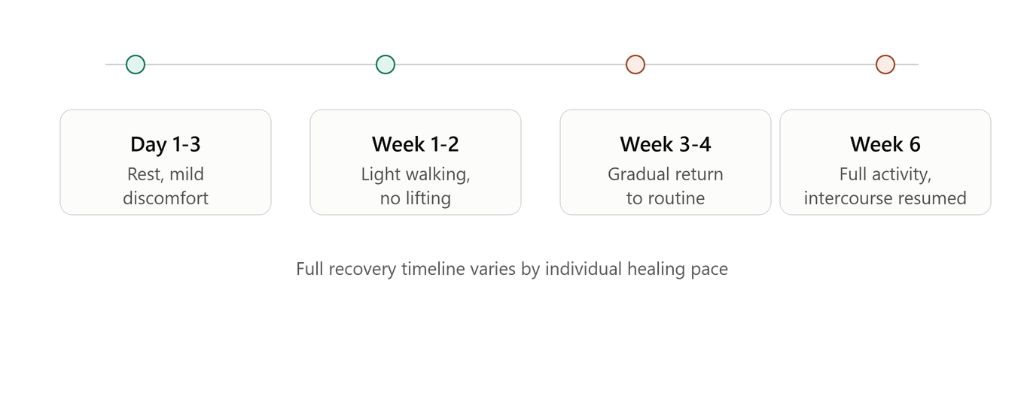
The recovery period will vary depending on the extent of surgery performed and the general health of the patient. Individual guidance is given depending on the patient’s progress and not a fixed recovery schedule is applied to everybody.
When Can You Return to Normal Activities?
Posterior repair surgery recovery time varies among people before they can return to normal activities. During the initial healing phase strenuous exercise and heavy lifting should be avoided, but light daily activities can be resumed gradually. Patients should not rush the recovery process. The tissues should heal and regenerate properly. Early return to more rigorous activities can exacerbate pain and hamper recovery.Healing is then monitored at follow-up appointments and patients are advised when it is safe to return to exercise, work and other activities.
How Much Does Posterior Repair Surgery Cost in Dubai?
The price of posterior repair surgery in Dubai may differ from patient to patient, depending on their condition, the severity of the rectocele or posterior vaginal wall prolapse, the surgeon’s skill set, hospital or clinic fees, anaesthetic, diagnostic testing, and if there are any additional procedures that may be required for the pelvic floor.The below table gives you a rough idea of the costs in AED. Final cost will be determined after a thorough medical evaluation in a consultation.
| Treatment / Service | Estimated Cost in AED |
| Initial Gynecological Consultation | AED 300 – 800 |
| Pelvic Floor Assessment | AED 500 – 1,200 |
| Diagnostic Tests & Imaging | AED 500 – 2,000 |
| Minor Posterior Vaginal Wall Repair | AED 15,000 – 25,000 |
| Standard Posterior Repair Surgery | AED 20,000 – 35,000 |
| Complex Posterior Repair Surgery | AED 30,000 – 45,000+ |
| Posterior Repair with Additional Prolapse Repair | AED 30,000 – 50,000+ |
| Postoperative Follow-Up Care | AED 300 – 1,000 per visit |
Factors Affecting the Cost of the Surgery:
- Severity of rectocele.
- Surgeon’s level of experience.
- Charges at a hospital or surgical facility.
- Type of anesthesia used
- Preoperative medical tests
- Medications & Postoperative Care
- Length of hospital stay
- Additional prolapse procedures
- Checkups and rehabilitative treatments.
Risks and Possible Complications:
Like any surgical procedure, there are risks involved with posterior repair surgery. These may include:
- Bleeding
- Infection
- Pain or discomfort
- Swelling
- Temporary changes in bowel function
- Constipation
- Trouble emptying the bowels
- Recurrence of prolapse
- Scarring
- Changes in sexual comfort
- Need for additional treatment
Posterior Repair Surgery or Non Surgical Treatment:
Surgery is not the first treatment choice for posterior vaginal wall prolapse. If symptoms are mild, we may be able to speak about other treatment options. These can include:
- Pelvic floor muscle exercises
- Pelvic floor physiotherapy
- Management of constipation
- Avoiding excessive straining
- Having a healthy weight
- Treating chronic cough when appropriate
- Lifestyle modifications
- Vaginal support devices such as pessaries in suitable cases
Best Prolapse Surgery Clinic in Dubai:
At Elive Clinic we realize that pelvic floor problems are very individual and require a specific treatment plan at Elive Clinic. We want to offer professional care, in a comfortable and respectful environment, where patients can talk openly about Intimate health issues. We have the best Best Doctor for Posterior Repair Surgery in Dubai. We focus on:
- Individualized patient assessment
- Detailed discussion of treatment options
- Personalized surgical planning
- Patient-focused care
- Comprehensive preoperative evaluation
- Postoperative monitoring and follow up
- Effective communication throughout the treatment process
- Emphasis on safety and appropriate medical indications
How to Prepare for Posterior Repair Surgery?
Prior to surgery, we will give you detailed instructions that are specific to your health and intended surgery. Preparation may include:
- Completing the recommended medical examinations
- Reporting to the medical team any pre-existing medical conditions.
- Talking about what medicines and supplements you are taking
- Carrying out the directions as to medicines prior to an operation
- Getting home after the procedure with transportation arranged
- Settling for cosy clothes during recovery time
- Time off from more challenging tasks or activities
- Following dietary or fasting instructions preoperatively
It is important for patients to have a full and accurate medical history during consultation so that surgery can be planned.
Frequently Asked Questions:
Is Posterior Repair Surgery Painful?
Some discomfort is expected after surgery, but appropriate pain management can help control postoperative discomfort. Individual experiences vary.
How Long Does Posterior Repair Surgery Take?
The duration varies depending on the complexity of the repair and whether other procedures are performed at the same time.
Is Posterior Repair Surgery Permanent?
Posterior repair can provide long-term improvement, but prolapse may recur in some patients. Factors such as tissue strength, aging, childbirth, constipation, and other pelvic floor stresses can influence long-term outcomes.
Can a Rectocele Return After Surgery?
Yes. Although surgery aims to restore support, recurrence is possible. Following postoperative instructions and maintaining healthy bowel habits may help support long-term pelvic health.
Can Posterior Repair Improve Bowel Movements?
If bowel difficulties are caused by a rectocele, repair may improve symptoms for some patients. However, bowel symptoms can have multiple causes and improvement cannot be guaranteed.
How Long is Recovery After Posterior Repair?
Recovery varies according to the individual and the extent of surgery. Most patients require a period of restricted activity while the repaired tissues heal.
Can Posterior Repair be Combined with Other Procedures?
In selected patients, posterior repair may be performed alongside other pelvic floor procedures if multiple types of prolapse are present. The appropriate approach is determined during assessment.
When can I Exercise After Posterior Repair Surgery?
Light activity may be resumed gradually according to medical advice, while strenuous exercise and heavy lifting are generally restricted during the early recovery period.
When Can I Resume Sexual Activity?
Patients are generally advised to wait until adequate healing has occurred and the surgeon confirms that sexual activity is safe.
Book a Consultation:
It is possible for pelvic pressure, bulging of the vagina or bowel issues to have an impact on many aspects of everyday life. However, when conservative treatments prove to be inadequate, posterior repair surgery in Dubai could be a viable surgical procedure for patients who are well-suited. During an Elive Clinic Rectocele Treatment Dubai consultation, we take the time to assess your symptoms, evaluate the health of your pelvic floor and discuss the treatment options available to you, as well as determining if posterior repair surgery is right for you.