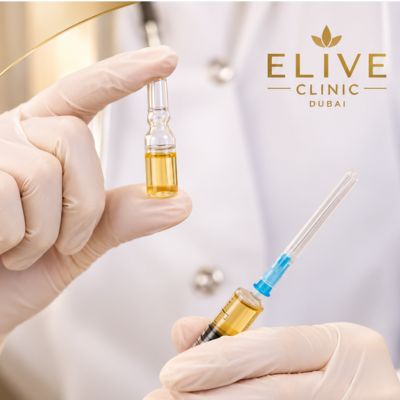
Peptides therapy is a relatively new field in healthcare and wellness which centers on the possible advantages of various amino acid chains on the support of various biological processes. Peptides are naturally occurring molecules which act as signalling messengers within the body helping to regulate various functions including hormone activity metabolism repair processes, immune responses and cellular communication. The biological activity and structure of peptides can vary and therefore have different effects on the body.
Personalised medical and aesthetic care is the priority at Elive Clinic Dubai and our patients are made aware of treatment options available in today’s era based on their individual needs and goals. Depending on the peptide approved indication and patient’s medical history Peptides Therapy in Dubai may be considered in appropriate medical circumstances after an evaluation.
Quick Facts:
- Treatment name: Peptides Therapy
- Location: Elive Clinic Dubai
- Treatment category: Medical and peptide-based therapy
- Treatment purpose: Depends on the specific peptide and medical indication
- Administration: Depends on the prescribed formulation
- Consultation: Required before treatment
- Treatment duration: Varies according to the medication
- Results: Depend on the treatment and individual response
- Recovery time: Depends on the administration method and medication
- Monitoring: Medical follow-up may be required
- Cost: Depends on the prescribed medication consultation and investigations
What Is Peptides Therapy?
Peptides therapy is the use of particular peptides in medical practice to impact the biological function of the body. The peptides are short chains of amino acids, the components of proteins. They have multiple important roles to play such as to communicate with cells, engage receptors and to modulate various physiological functions.There are thousands of peptides naturally produced by the human body. Some act as hormones and others are involved in immune regulation maintenance of tissue function metabolism and cell signalling.
Outcomes of Peptides Therapy:
Medical Peptide Therapy Dubai effectiveness is subject to the peptide’s action, its biological activity, the patient’s condition and the indication for which the peptide is used. Some of the medications approved are peptides that can offer tangible benefits for certain health issues like blood sugar control or weight management. There are other peptides being studied but their benefits for skin rejuvenation, muscle building tissue repair and anti-aging have not been well-documented in human clinical trials. Therefore patients must have realistic expectations and be aware of the fact that results are not guaranteed.
How Peptides Therapy Works?
Peptides typically act on a particular receptor or signaling pathway in the body. They are dependent on their amino acid sequence structure and biological activity. If a medically relevant peptide binds to a specific receptor the peptide can affect a specific biological response. This interaction may impact hormone release, glucose regulation appetite or other processes.
What Are the Benefits of Peptides Therapy?
The possible advantages of peptide treatment will be based on the specific peptide and the medical indication it has received. Peptides are not one and the same and do not necessarily have the same mechanism or clinical evidence. The following benefits may be provided by some of the existing peptide based medicines in the appropriate patients.
- Metabolic Health Support
- Weight Management
- Hormonal Regulation
- Tissue Function and Cellular Signalling
- Individualised Medical Treatment
Types of Peptides Used in Medical Treatments:
Peptides are used for various purposes and have different functions. It can be helpful for patients to differentiate between the different types of products and medical treatments.
GLP-1 Receptor Agonists:
GLP-1 receptor agonists are prescription drugs that mimic GLP-1, a naturally occurring hormone that plays a role in controlling glucose and appetite. Depending on the medication they can:
- Better control of blood sugar levels.
- Low down hunger and eating.
- Support weight management.
- Slow food digestion to different extents.
- Assist patients who have the ability to manage certain metabolic conditions.
Such medicines are prescribed based on the indications listed on the label and according to the patient’s specific needs.
GHRH and Growth Hormone-Related Peptides:
The growth hormone-releasing hormone (GHRH) is part of the regulatory system of GH secretion. Certain synthetic substances are able to interact with this pathway and have been studied for various medicinal uses. However the products that are marketed for muscle building, anti-ageing or body composition may not be clinically proven.Treatment with growth hormone should only be undertaken after a specialist evaluation as it can have important health effects if not used appropriately.
BPC-157:
BPC-157 is an experimental peptide that is often referred to in the context of tissue repair and recovery. Its biological effects in preliminary studies have been investigated but there is limited human clinical evidence of its safety and effectiveness for regular use. Certainly cannot be marketed as an accepted remedy for injuries, tendon issues or gastrointestinal conditions.
Thymosin-Related Peptides:
Some of the thymosin related peptides are studied for their potential role in immune signaling and tissue related processes. Clinical applications will vary depending on the compound, its regulation and research. Products that are marketed to provide general immunity or recovery should not be considered proven treatments.
Melanocortin-Related Peptides:
Melanocortin pathways are involved with various biological functions such as pigmentation and appetite. Some drugs affecting these pathways have certain medical uses. They are suitable depending on the diagnosis of the patient and approved indication of the drug.
Who Is the Ideal Candidate for Peptides Therapy?
Not all people can benefit from peptide therapy. The eligibility could vary according to the specific drug, its therapeutic purpose and the patient’s medical condition. Patients may be considered for an approved peptide-based treatment if they have a relevant medical indication and they are suitable for the product indications.
At Peptide Therapy Clinic Dubai we take into account a few things during the consultation:
- Personal medical history
- Goals for treatment
- Medications that are currently being taken
- Laboratory investigations
- Contraindications
Treatment can be determined by a qualified medical professional. Patients should not begin using peptides or buy them online until they are certain they are safe and regulated.
Peptides Therapy Procedure at Elive Clinic Dubai:
The first step in treatment involves a thorough consultation. First of all we need to know the patient’s medical needs and decide if there is a suitable peptide drug role for the patient.
Step 1: Initial Consultation
We start with the patient’s health concerns, what treatments they are looking for, their medical history and any prior experience with any other medications that are similar. This consultation should help to determine whether there are any contraindications and if any additional medical evaluation is needed.
Step 2: Medical Assessment
Healthcare professionals review current clinical information and evaluate current health status. Depending on the recommended therapy this evaluation might involve blood tests metabolic markers hormonal testing or other tests.
Step 3: Treatment Selection
If a medication approved for use in peptides is clinically appropriate the person in charge of the medical care discusses the purpose of the medication, the benefits to be gained from its use, potential side effects and alternatives.Experimental peptides are not recommended for consumption just because they are popular products promoted as a wellness or anti-ageing supplement.
Step 4: Treatment Administration
Routes of administration will vary based on the ordered medication. A few drugs that are peptides can be injected and a few may be available in other forms. Patients are explained how much to store and precautions about the proper administration of the medication.
Step 5: Follow-Up and Monitoring
Follow-up appointments are used to evaluate effectiveness of treatment and to check for any possible side effects. Monitoring may include checking symptoms, medication tolerance lab results or other pertinent health measures depending on the medicine.
Any changes to the treatment plan should be undertaken only by the healthcare professional who prescribes the treatment.
Side Effects:
While some of the approved peptide medications will have a known safety profile they may still have side effects. Adverse reactions vary according to the particular drug dose and health of the person receiving the medicine. Side effects could include:
- Stomach upset and nausea
- Vomiting or diarrhoea
- Abdominal discomfort
- Headaches
- Injection-site irritation
- Changes in blood glucose levels
- Allergic reactions
Peptides Therapy vs Traditional Treatments:
Treating with peptide based drugs is a topic sometimes mentioned as an alternative to traditional therapies. But these are not necessarily more effective, advanced or safer than proven medical treatments. Treatment will depend on the disease being treated.
For instance some peptide medications have been found to be effective for treating type 2 diabetes and obesity. Other test products that have been touted to build muscle treat injuries or antiage are yet to prove their worth in the same manner. Only a medical expert can make the comparison between treatments based on their effectiveness, safety regulation approval and suitability to meet the patient’s health needs.
What is the Cost of Peptides Therapy in Dubai?
The price of Peptides Therapy in Dubai starts from AED 300. The cost will differ for every patient as it depends on different factors.
| Treatment component | Estimated cost (AED) |
| Initial medical consultation | 300–800 |
| Blood tests and investigations | 300–850 |
| Approved peptide-based medication | Depends on prescription |
| Follow-up consultation | Quoted individually |
| Additional medical monitoring | Quoted individually |
| Total treatment cost | Confirmed after assessment |
Why Choose Elive Clinic for Peptides Therapy in Dubai?
When you are looking for peptide treatment it is crucial to select an appropriate medical provider. These medicines may work in different ways and appropriate monitoring and assessment is essential. At Elive Clinic Dubai we emphasize responsible medical treatment and personalised treatment recommendations. Our approach includes:
- Personalised consultations
- Patient safety
- Evidence-based recommendations
- Professional supervision
- Clear communication
- Ongoing assessment
Frequently Asked Questions:
What are the benefits of peptides therapy?
Benefits depend on the medication and may include improved glucose regulation or appetite control with certain approved treatments.
How much does peptides therapy cost in Dubai?
The cost varies according to the prescribed medication consultation investigations and treatment duration.
Is peptides therapy suitable for everyone?
No suitability depends on medical history, health conditions contraindications and the specific medication.
How long does peptides therapy take?
Treatment duration varies according to the prescribed medication and the patient's medical requirements.
Can peptides therapy help with weight management?
Certain approved peptide medications can support weight management by regulating appetite and food intake.
Does peptides therapy require injections?
Some peptide-based medications are injectable while others are available in different pharmaceutical formulations.
Are there any side effects of peptides therapy?
Possible side effects include nausea, digestive discomfort, headaches and injection-site reactions depending on the medication.
Do I need a consultation before peptides therapy?
Yes a qualified healthcare professional must assess treatment suitability and discuss potential risks.
Where can I enquire about peptides therapy in Dubai?
You can contact Elive Clinic Dubai to enquire about medically appropriate and legally authorised peptide-based treatments.
Book a Consultation with us today!
For anyone thinking about Advanced Medical Care Dubai the initial step is to consult a professional medical expert to grasp the choices at their disposal. At Elive Clinic Dubai we strive to involve our patients in conversation about their health concerns, treatment expectations and medical history with a qualified healthcare professional.
From studying peptide based drugs for metabolic health to established medical indications we can help you understand the options and if a specific treatment may be suitable for you.

Dr Hamid Ali Esmaeilpour
General Surgeon
Dr. Hamid Esmaeilpour at Med Art Clinic Day Surgery Center. License 10991334 (REG).
View Profile
Dr. Elham Farrokhseresht
Gynaecologist
Dr. Elham is a highly experienced gynaecologist with more than 25 years of experience in women’s health.
View Profile
Dr. Maya Rathod
Gynacologist and Weight Loss Coach
Dr. Maya Rathod's DHA (Dubai Health Authority) license ID is 98781108
View Profile